Professional batt insulation and vapour barrier installation for residential and commercial projects. Improve comfort, energy efficiency and moisture control.
Batt insulation and vapour barriers play an important role in improving the comfort and energy efficiency of residential and commercial buildings. Fiberglass batt insulation is installed between wall studs, ceiling joists and other framed spaces to help reduce heat transfer and maintain more consistent indoor temperatures.
Vapour barriers, commonly made from polyethylene sheeting, help manage moisture movement through building assemblies when installed in the appropriate location. Together with proper air sealing and insulation, they contribute to a more comfortable, energy-efficient building.
Batt insulation is installed between attic joists, rafters and ceiling framing to help reduce heat loss and maintain comfortable indoor temperatures. Proper fitting and coverage help minimize gaps that can reduce insulation performance.
Fiberglass batts provide thermal insulation in framed exterior walls and can also help reduce sound transmission between interior spaces. Careful installation around wiring, plumbing and framing helps maintain consistent coverage.
Vapour barriers help control moisture movement through walls, ceilings and other building assemblies. Proper placement, sealing and detailing are important to help manage condensation risks and protect building materials.
Batt insulation can be used in suitable basement wall assemblies and framed spaces to help reduce heat loss and improve comfort. The right insulation and vapour control approach depends on the basement’s construction and moisture conditions.
We install batt insulation and vapour barriers for new residential, commercial and multi-unit construction projects. Our team focuses on proper coverage, installation details and the insulation requirements of each project.
Renovating an older property or opening up existing walls? Upgrading batt insulation during renovations can help address insulation gaps, improve thermal performance and make interior spaces more comfortable.
Batt insulation helps slow heat transfer through walls, ceilings and other building assemblies. A vapour barrier helps control moisture movement through those assemblies. They serve different purposes and are often installed together as part of a properly designed insulation system.
The correct location depends on the building assembly, climate and applicable building code requirements. In many conventional above-grade wall assemblies in Atlantic Canada, polyethylene vapour barriers are installed toward the interior side of the insulation. Basement and other specialized assemblies may require a different approach.
The recommended R-value depends on where the insulation is being installed, the available framing depth, the building design and applicable energy-code requirements. Attics, exterior walls and basement assemblies can have different insulation requirements. We can help determine the appropriate insulation for your project.
Yes, but installing batt insulation generally requires access to the wall cavities. It’s often a practical option during renovations when drywall or other wall finishes have already been removed. For finished walls, other insulation methods may be more suitable.
Batt insulation can be used in certain basement wall assemblies, but moisture management is particularly important below grade. The appropriate insulation, air sealing and vapour control approach depends on the foundation conditions and wall design.
Pricing depends on the size of the project, the areas being insulated, required R-values, accessibility and whether vapour barrier installation is included. Contact us for a free quote based on your specific project.
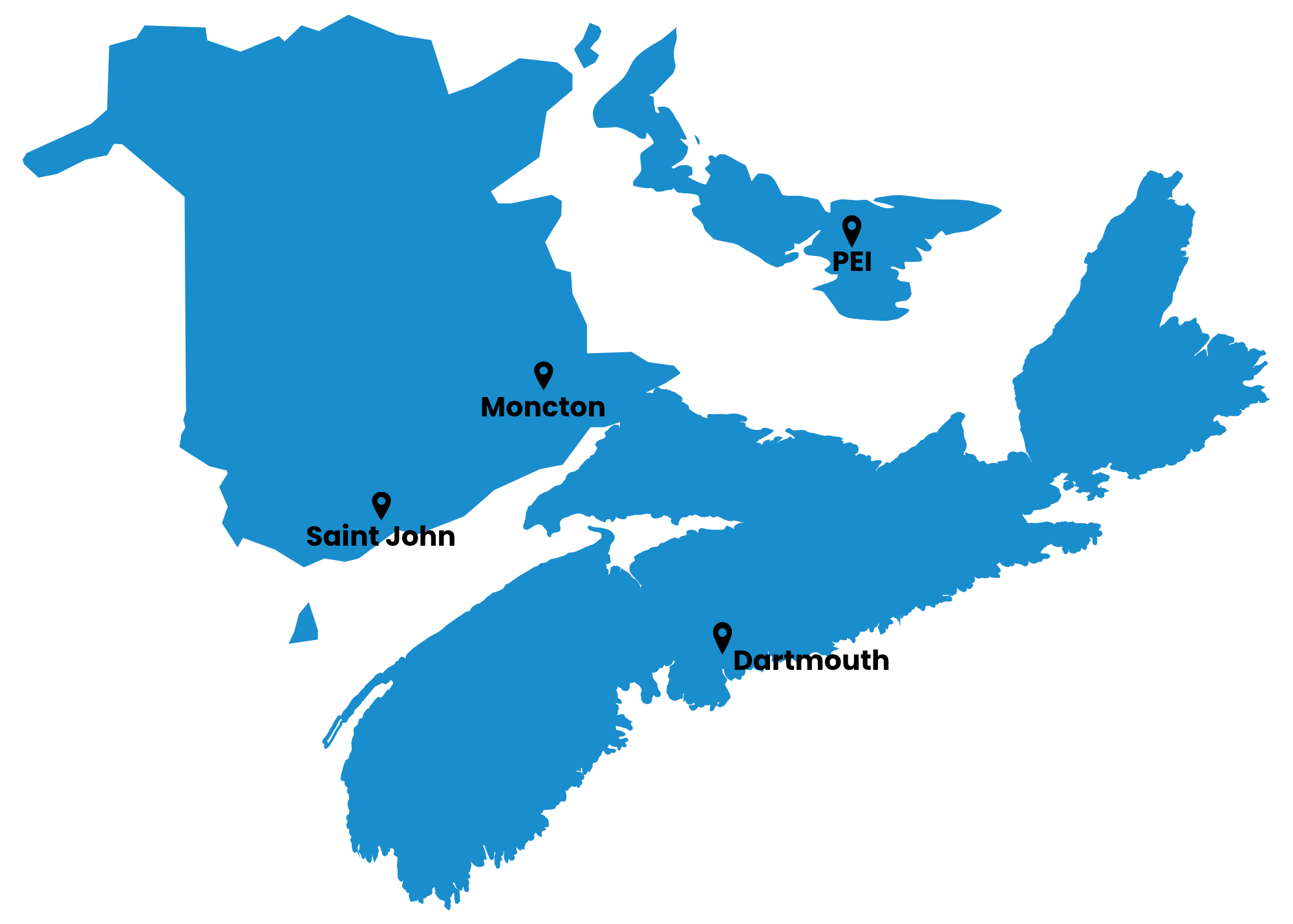
We provide batt insulation services throughout New Brunswick, Nova Scotia and Prince Edward Island, including Greater Moncton, Saint John, Halifax, Dartmouth, Charlottetown and surrounding communities.